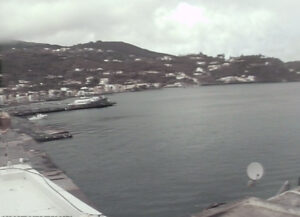
Las islas Eolias

Haga clic en el nombre de la isla para
más información
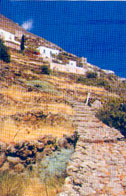
Questa immagine ha l'attributo alt vuoto; il nome del file è Alicudi-1.jpgALICUDI
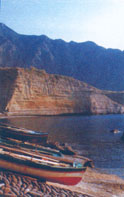
Es la isla más occidental del archipiélago. El antiguo nombre de Ericusa se debe a la rica vegetación de brezos, de los que está cubierta la isla. El brezo forma parte de la historia y vida de los isleños, que siempre lo han utilizado para cubrir chozas y, con la raíz, estufas de pipa. Alicudi es un cono redondeado que culmina con el relieve Filo dell’Arpa y tiene una superficie de 5,2 km2. Los habitantes, llamados alicudari, son unos 140 y viven en el único centro habitado (Alicudi porto), pesca y poca agricultura. De origen volcánico, la isla está formada en gran parte por el volcán extinto de Montagnola, que nació hace unos 150.000 años tras erupciones efusivas y explosivas.
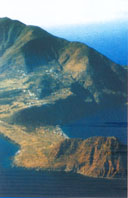
Questa immagine ha l'attributo alt vuoto; il nome del file è Filicudi.jpgFILICUDI
Antiguamente llamada Phoenicusa (rica en helechos), junto con Alicudi es geológicamente la más antigua de las Islas Eolias. Tiene una superficie de 9,5 kilómetros cuadrados y su punto más alto, la Fossa delle Felci, se encuentra a 773 metros. Los habitantes, llamados filicudari, son unos 250, repartidos en los tres principales núcleos habitados: Filicudi porto, Pecorini a mare y Valle Chiesa. La conformación de la isla es ligeramente ovalada y se extiende hacia el sureste en el promontorio de Capo Graziano, que es una pequeña península unida a la parte principal de Filicudi por una franja de tierra. La isla está formada por los productos de seis centros volcánicos. El más antiguo debió estar ubicado en el mar cerca de la costa de Fili di Sciacca.
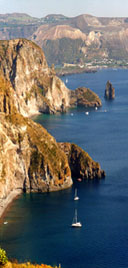
Questa immagine ha l'attributo alt vuoto; il nome del file è quattrocchi_sp.jpgLIPARI
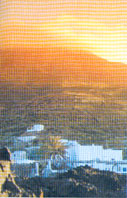
Es la isla más grande del archipiélago de las Eolias. Tiene una superficie de 37,6 kilómetros cuadrados y está a 24 millas náuticas de la costa siciliana. Sus habitantes, llamados Liparesi o Liparoti, son unos 9000 y pueblan los caseríos de la isla: Canneto, Acquacalda, Quattropani y Pianoconte. Con la excepción de Salina, todas las demás islas dependen administrativamente de Lipari. Como todo el archipiélago de las Eolias, Lipari tiene origen volcánico. La parte más antigua de la isla es la occidental donde, hace entre 160.000 y 134.000 años, se identifican 12 capas volcánicas, incluido el Timponi. Esta fase de intensas erupciones fue seguida por una larga pausa en la actividad volcánica. En el segundo período, hace unos 100 mil años, se creó el volcán de Monte S. Angelo. Los volcanes del tercer período (hace 40.000 y 8.000 años) hicieron erupción de piedra pómez, formando una serie de cúpulas, entre ellas Monte Guardia y Monte Giardina. Tras una larga pausa, la actividad eruptiva se reanudó en la parte nororiental con el lanzamiento de enormes cantidades de piedra pómez, que componían el Monte Pelato, y con la emisión del flujo de obsidiana de la Rocche Rosse (VII) siglo d.C. C. Incluso en tiempos históricos se produjeron erupciones de piedra pómez que cubrieron con una capa de polvo muy fino los niveles arqueológicos más antiguos del barrio de Diana y de la acrópolis del Castillo.
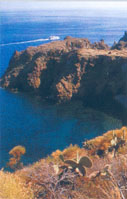
Questa immagine ha l'attributo alt vuoto; il nome del file è Panarea-1.jpgPANAREA
Panarea, antes llamada Hycesia, es la isla más pequeña del archipiélago de las Eolias. Tiene un área de solo 3.4 kilómetros cuadrados y está a 11.5 millas de Lipari. Sus 280 habitantes, llamados panarioti, viven en tres distritos: Ditella, S. Pietro y Drauto. Panarea está enmarcada por los islotes cercanos de Basiluzzo, Dattilo, Bottaro, Spinazzola y las rocas de Lisca Bianca, Lisca Nera, Panarelli y Formiche. Los estudiosos creen que Panarea y las rocas e islotes que lo rodean son los restos de un antiguo volcán submarino parcialmente sumergido por las aguas en los períodos interglaciares. En la parte emergida actualmente se puede reconocer un solo volcán en cuyos flancos se han implantado numerosos centros eruptivos secundarios.
Questa immagine ha l'attributo alt vuoto; il nome del file è salina-1.jpgSALINA
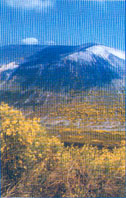
Después de Lipari, es la segunda isla más grande del archipiélago: unos 27 kilómetros cuadrados de superficie. Es la más alta de las 7 islas con las montañas «Fossa delle Felci» y «Monte dei Porri» también volcanes extintos. De la presencia de estos dos picos se remonta su antiguo nombre Didyme, que significa Géminis. El nombre actual deriva de la presencia de un pequeño lago del que se extraía la sal que luego se utilizaba para la conservación de alcaparras y pescados. Es la segunda isla más poblada del archipiélago con unos 2.300 habitantes. Se divide en tres municipios autónomos: S. Marina, Malfa y Leni. Los caseríos se llaman: Lingua, Rinella, Val Di Chiesa, Pollara y Torricella. En el territorio de Salina hay rastros de seis volcanes.
Questa immagine ha l'attributo alt vuoto; il nome del file è Stromboli-1.jpgSTROMBOLI
Stromboli, la más lejana y oriental de las islas Eolias, se encuentra a unos 35 kilómetros de Lipari. Los antiguos lo llamaban Strongyle, la rotonda. Tiene una superficie de 12,6Kmq. con unos 420 habitantes, llamado Strombolani. Su volcán activo se encuentra a unos 920 metros de altura sobre el nivel del mar y el fondo marino es muy profundo (1200 m.). La isla es un volcán que emerge del mar. La parte emergida, en actividad persistente durante al menos 2000 años, se formó principalmente durante dos ciclos de actividad. Un ciclo antiguo, consistente en erupciones de material sólido y flujos de lava, que formaron toda la parte oriental de la isla, y un ciclo más reciente, consistente principalmente en flujos de lava, que formaron toda la mitad occidental de la isla.
Questa immagine ha l'attributo alt vuoto; il nome del file è vulcano.jpgVULCANO
La antigua Hiera (sagrada), según los griegos, hogar del dios del fuego Hefesto, es la isla más meridional del archipiélago de las Eolias y la más cercana a Sicilia. Está separada de la cercana Lipari por un canal de aproximadamente 1,6 km de ancho. Su superficie es de 21 kilómetros cuadrados. Desde el punto de vista geológico, la isla está formada por 4 volcanes: Lentia, Vulcano Piano, Fossa di Vulcano y Vulcanello. El único que se considera todavía activo es el Vulcano della Fossa. La actividad volcánica de esta isla era conocida desde la antigüedad por griegos y romanos, quienes quedaron fuertemente impresionados por ella.
We use cookies to personalise content and ads, to provide social media features and to analyse our traffic. We also share information about your use of our site with our social media, advertising and analytics partners.
Cookies settings
Accept
Privacy & Cookie policy
Privacy & Cookies policy
Cookie name Active

Privacy Policy

What information do we collect?

We collect information from you when you register on our site or place an order. When ordering or registering on our site, as appropriate, you may be asked to enter your: name, e-mail address or mailing address.

What do we use your information for?

Any of the information we collect from you may be used in one of the following ways: To personalize your experience (your information helps us to better respond to your individual needs) To improve our website (we continually strive to improve our website offerings based on the information and feedback we receive from you) To improve customer service (your information helps us to more effectively respond to your customer service requests and support needs) To process transactions Your information, whether public or private, will not be sold, exchanged, transferred, or given to any other company for any reason whatsoever, without your consent, other than for the express purpose of delivering the purchased product or service requested. To administer a contest, promotion, survey or other site feature To send periodic emails The email address you provide for order processing, will only be used to send you information and updates pertaining to your order.

How do we protect your information?

We implement a variety of security measures to maintain the safety of your personal information when you place an order or enter, submit, or access your personal information. We offer the use of a secure server. All supplied sensitive/credit information is transmitted via Secure Socket Layer (SSL) technology and then encrypted into our Payment gateway providers database only to be accessible by those authorized with special access rights to such systems, and are required to?keep the information confidential. After a transaction, your private information (credit cards, social security numbers, financials, etc.) will not be kept on file for more than 60 days.

Do we use cookies?

Yes (Cookies are small files that a site or its service provider transfers to your computers hard drive through your Web browser (if you allow) that enables the sites or service providers systems to recognize your browser and capture and remember certain information We use cookies to help us remember and process the items in your shopping cart, understand and save your preferences for future visits, keep track of advertisements and compile aggregate data about site traffic and site interaction so that we can offer better site experiences and tools in the future. We may contract with third-party service providers to assist us in better understanding our site visitors. These service providers are not permitted to use the information collected on our behalf except to help us conduct and improve our business. If you prefer, you can choose to have your computer warn you each time a cookie is being sent, or you can choose to turn off all cookies via your browser settings. Like most websites, if you turn your cookies off, some of our services may not function properly. However, you can still place orders by contacting customer service. Google Analytics We use Google Analytics on our sites for anonymous reporting of site usage and for advertising on the site. If you would like to opt-out of Google Analytics monitoring your behaviour on our sites please use this link (https://tools.google.com/dlpage/gaoptout/)

Do we disclose any information to outside parties?

We do not sell, trade, or otherwise transfer to outside parties your personally identifiable information. This does not include trusted third parties who assist us in operating our website, conducting our business, or servicing you, so long as those parties agree to keep this information confidential. We may also release your information when we believe release is appropriate to comply with the law, enforce our site policies, or protect ours or others rights, property, or safety. However, non-personally identifiable visitor information may be provided to other parties for marketing, advertising, or other uses.

Registration

The minimum information we need to register you is your name, email address and a password. We will ask you more questions for different services, including sales promotions. Unless we say otherwise, you have to answer all the registration questions. We may also ask some other, voluntary questions during registration for certain services (for example, professional networks) so we can gain a clearer understanding of who you are. This also allows us to personalise services for you. To assist us in our marketing, in addition to the data that you provide to us if you register, we may also obtain data from trusted third parties to help us understand what you might be interested in. This ‘profiling’ information is produced from a variety of sources, including publicly available data (such as the electoral roll) or from sources such as surveys and polls where you have given your permission for your data to be shared. You can choose not to have such data shared with the Guardian from these sources by logging into your account and changing the settings in the privacy section. After you have registered, and with your permission, we may send you emails we think may interest you. Newsletters may be personalised based on what you have been reading on theguardian.com. At any time you can decide not to receive these emails and will be able to ‘unsubscribe’. Logging in using social networking credentials If you log-in to our sites using a Facebook log-in, you are granting permission to Facebook to share your user details with us. This will include your name, email address, date of birth and location which will then be used to form a Guardian identity. You can also use your picture from Facebook as part of your profile. This will also allow us and Facebook to share your, networks, user ID and any other information you choose to share according to your Facebook account settings. If you remove the Guardian app from your Facebook settings, we will no longer have access to this information. If you log-in to our sites using a Google log-in, you grant permission to Google to share your user details with us. This will include your name, email address, date of birth, sex and location which we will then use to form a Guardian identity. You may use your picture from Google as part of your profile. This also allows us to share your networks, user ID and any other information you choose to share according to your Google account settings. If you remove the Guardian from your Google settings, we will no longer have access to this information. If you log-in to our sites using a twitter log-in, we receive your avatar (the small picture that appears next to your tweets) and twitter username.

Children’s Online Privacy Protection Act Compliance

We are in compliance with the requirements of COPPA (Childrens Online Privacy Protection Act), we do not collect any information from anyone under 13 years of age. Our website, products and services are all directed to people who are at least 13 years old or older.

Updating your personal information

We offer a ‘My details’ page (also known as Dashboard), where you can update your personal information at any time, and change your marketing preferences. You can get to this page from most pages on the site – simply click on the ‘My details’ link at the top of the screen when you are signed in.

Online Privacy Policy Only

This online privacy policy applies only to information collected through our website and not to information collected offline.

Your Consent

By using our site, you consent to our privacy policy.

Changes to our Privacy Policy

If we decide to change our privacy policy, we will post those changes on this page.
Save settings
Cookies settings